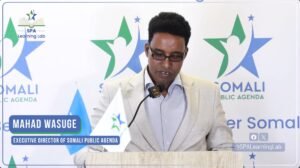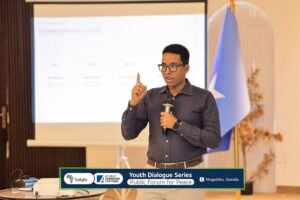

Over a year later, I travelled back to Kismayo. The last time I was there was in May 2025, when I travelled with colleagues from Somali Public Agenda (SPA) and the Puntland Development Research Center (PDRC) to convene a roundtable discussion exploring options for compromise on FGS–FMS relations, constitutional review, and elections.
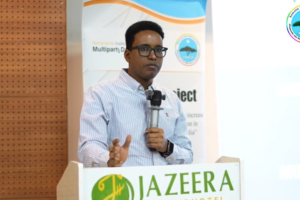
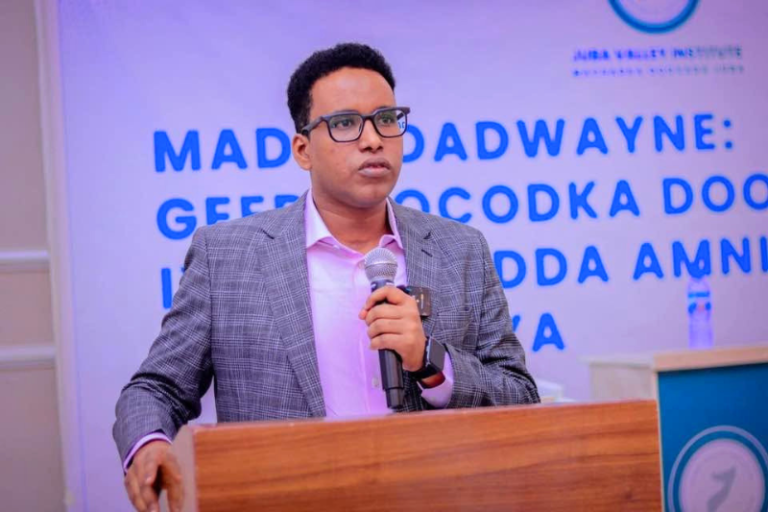
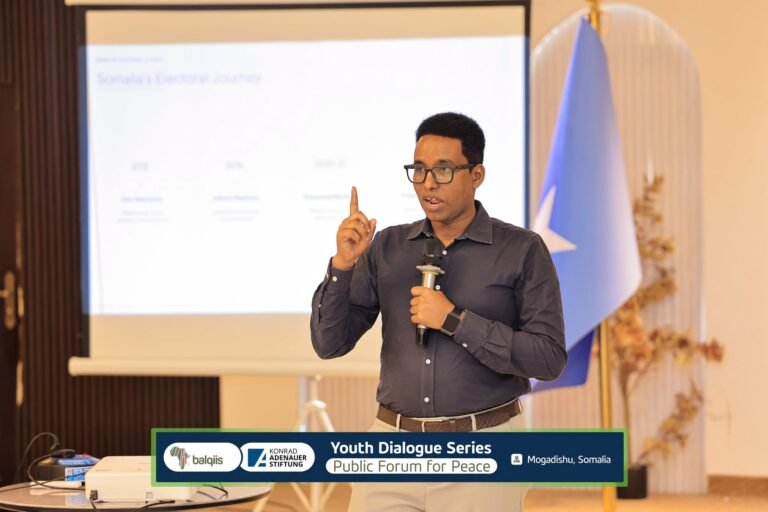
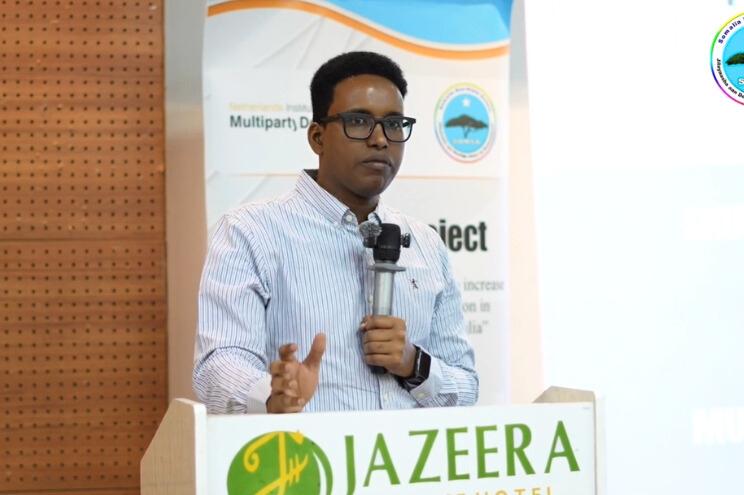
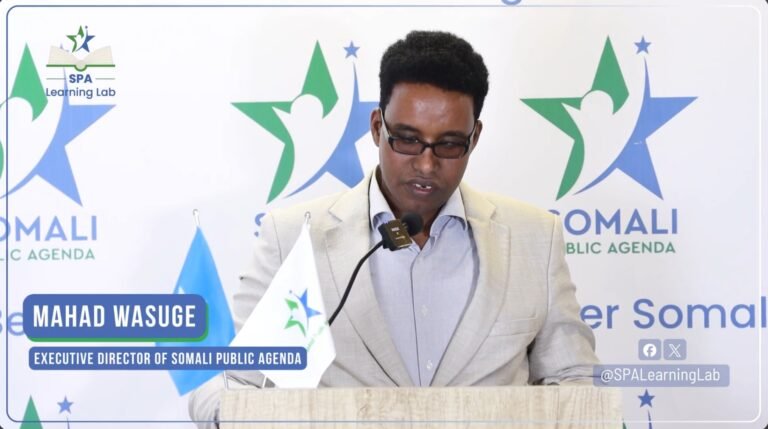
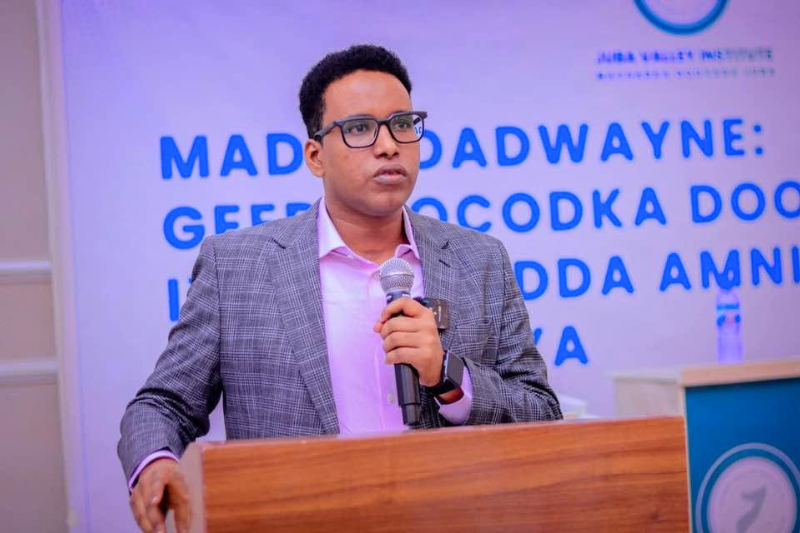
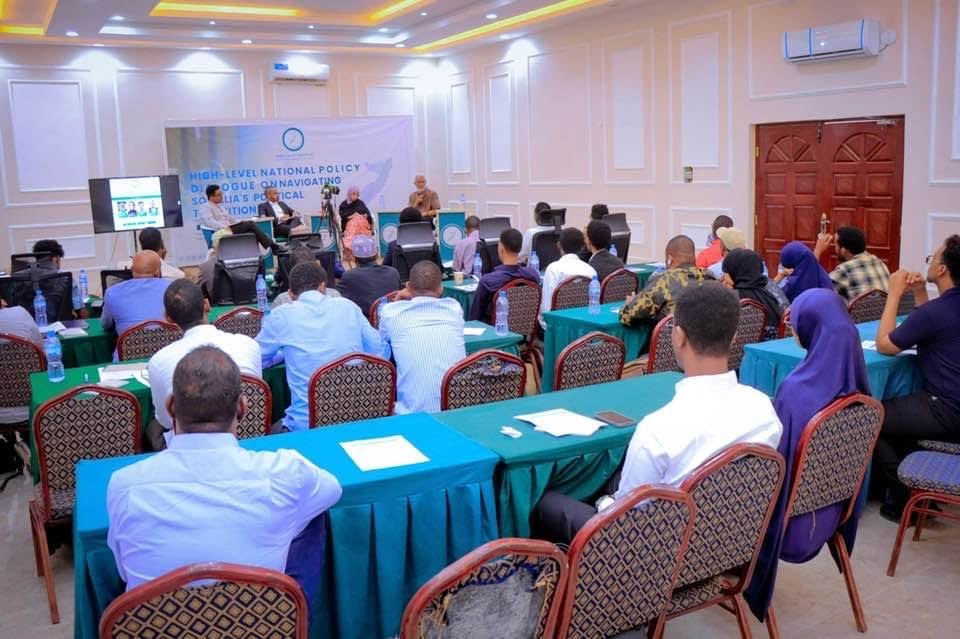
This time, I received an invitation from Juba Valley Institute (JVI) to attend and speak at a High-Level National Policy Dialogue on Navigating Somalia’s Political Transition, held in Kismayo on 27–28 July. It was encouraging to receive such an invitation and to see JVI convene a dialogue that brought together civil society organizations to discuss important national policy issues. Over a year ago, during my previous visit to Kismayo, I signed an MoU with JVI’s then Executive Director on behalf of Somali Public Agenda. Abdi Bafo, Executive Director of DhaxalReeb, and Samira Gaid, Founding Director of Balqiis Insights, were also invited to the dialogue and travelled with me.
The travel experience was probably the smoothest of all my trips to Kismayo since 2014. At Mogadishu Airport, an immigration officer asked whether I was from Kismayo or travelling for work. When I told him I was travelling for work, he asked for my ID card, scanned it, returned it without saying a word, and gestured for me to proceed. This was different from my previous experiences. I am not sure whether this procedure now applies to everyone travelling within Somalia or is specific to those travelling to Kismayo.
When we landed in Kismayo, Juba Valley Institute Executive Director Yusuf Gama’diid and Yahye Abdi Mohamed welcomed us at the airport. We briefly stayed in the airport’s VIP lounge and had coffee with the airport’s Manager, Abdirahman. On our return to Mogadishu, we also waited for our flight in the VIP lounge. Thanks to our hosts for their extensive connections and generous hospitality. I am certain this is not the experience of ordinary travellers.
Unlike my previous visits, Kismayo was not hot. The weather was at its best, and the city looked greener than it did the previous year. During the night, it was cold. The main tarmac roads that were under construction during my previous visit had now been completed and were fully operational.
The JVI-organized dialogue was engaging and interactive. The participants were predominantly young people who listened attentively to our presentations and remarks and asked thoughtful questions. Dr. Ibrahim Farah Bursaliid, a well-known Somali scholar, was also in Kismayo and delivered a presentation on the first day of the forum. He spoke about the important role that civil society organizations should play during this critical period. While acknowledging the challenges they face, he argued that they should adopt an approach he described as “pragmatic adventurism,” by which he meant that CSOs should demonstrate greater courage in engaging with and constructively pressuring policymakers.
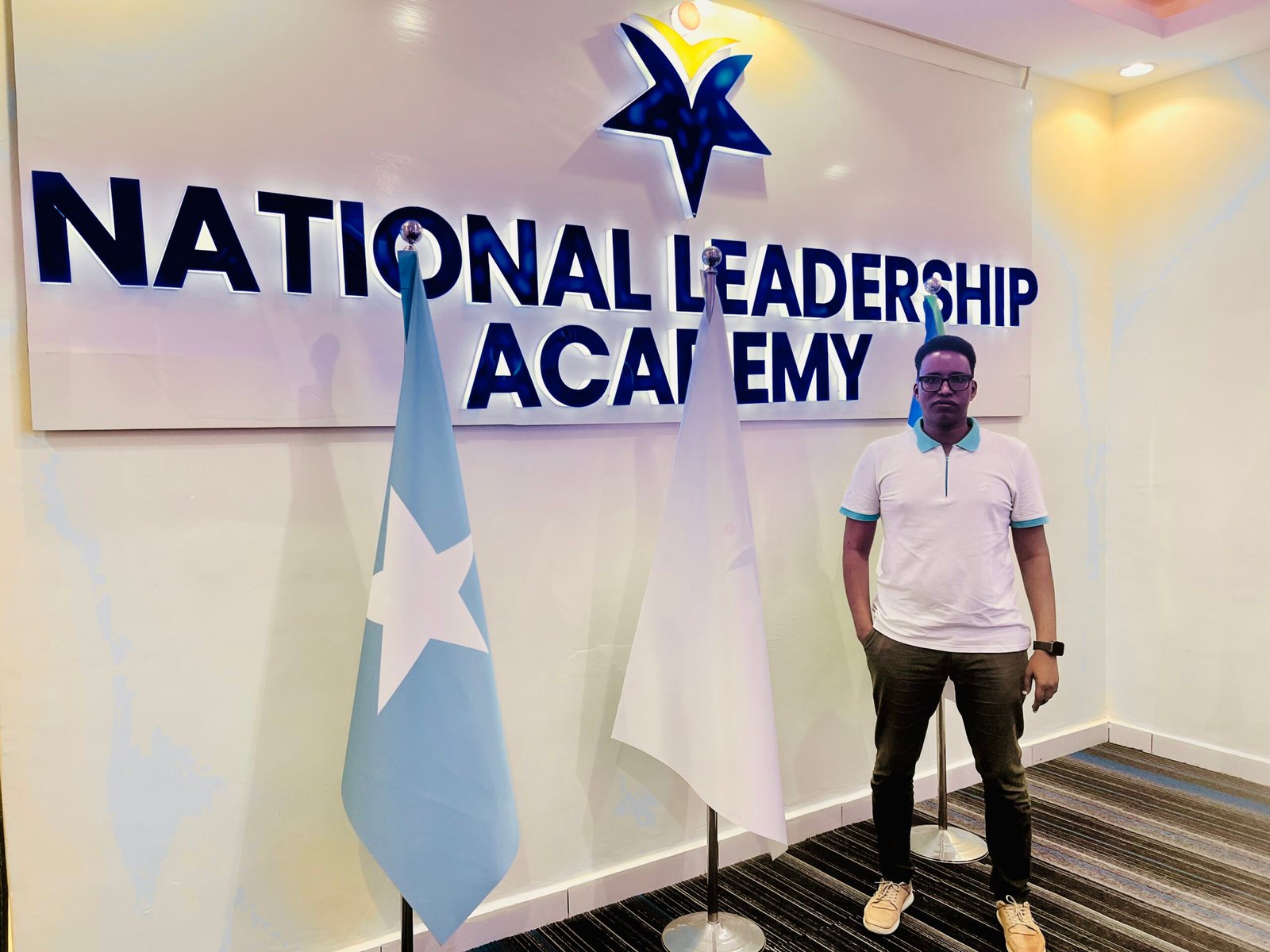
On the first day, Yahye Abdi Mohamed, a former JVI member who now works at the National Leadership Academy, took Abdi Bafo and me to visit the Academy’s campus on the outskirts of Kismayo. He gave us a tour of the administration building, accommodation facilities, and training halls. The institution also has a mosque, a football field, and ample land for future expansion. It was encouraging to see such an important national training institution being constructed in Kismayo. Once officially inaugurated, the Academy will provide training for government personnel.
On our way back from the Academy, I saw the main campus of Kismayo University, which for many years had served as a military base for African Union contingents. Unlike before, Somali security forces were operating the checkpoints on the outskirts of the city. This reflected both the ongoing AUSSOM drawdown and the improving security situation in Kismayo.
We concluded our Kismayo experience with a trip to Goobweyn. It was my second visit there. Along the way, we passed a billboard that read: Jamaame – 67 km; Jilib – 114 km; Mogadishu – 403 km. I did not know that Jilib was that close.
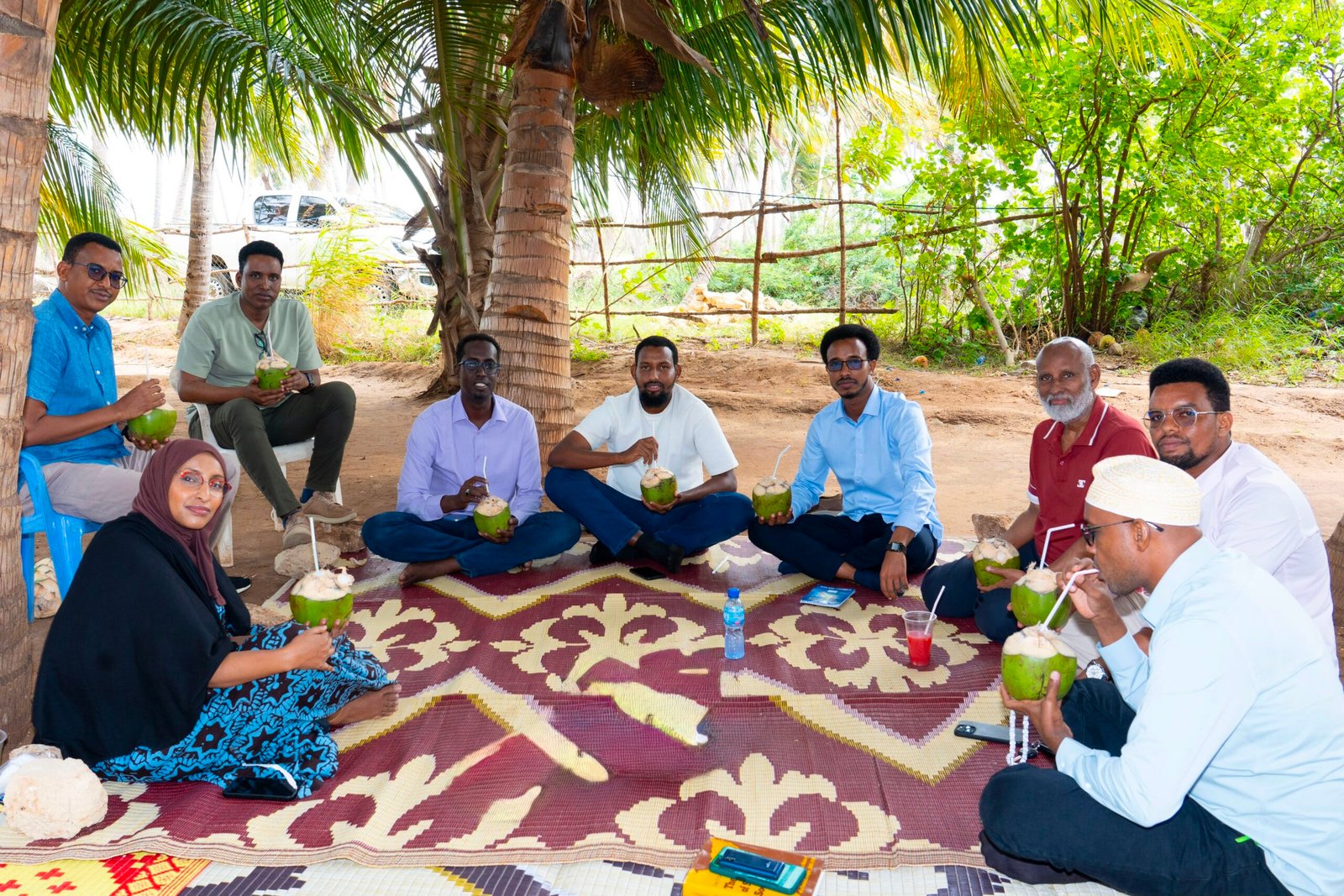
When we arrived in Goobweyn, we parked our vehicles beside the Jubba River. We had brought cooked food with us, so we had lunch before chatting, drinking coconut water, and taking deep breaths of the fresh air. It was a wonderful experience to witness the abundance of natural resources and the simple way of life enjoyed by the people of Goobweyn.
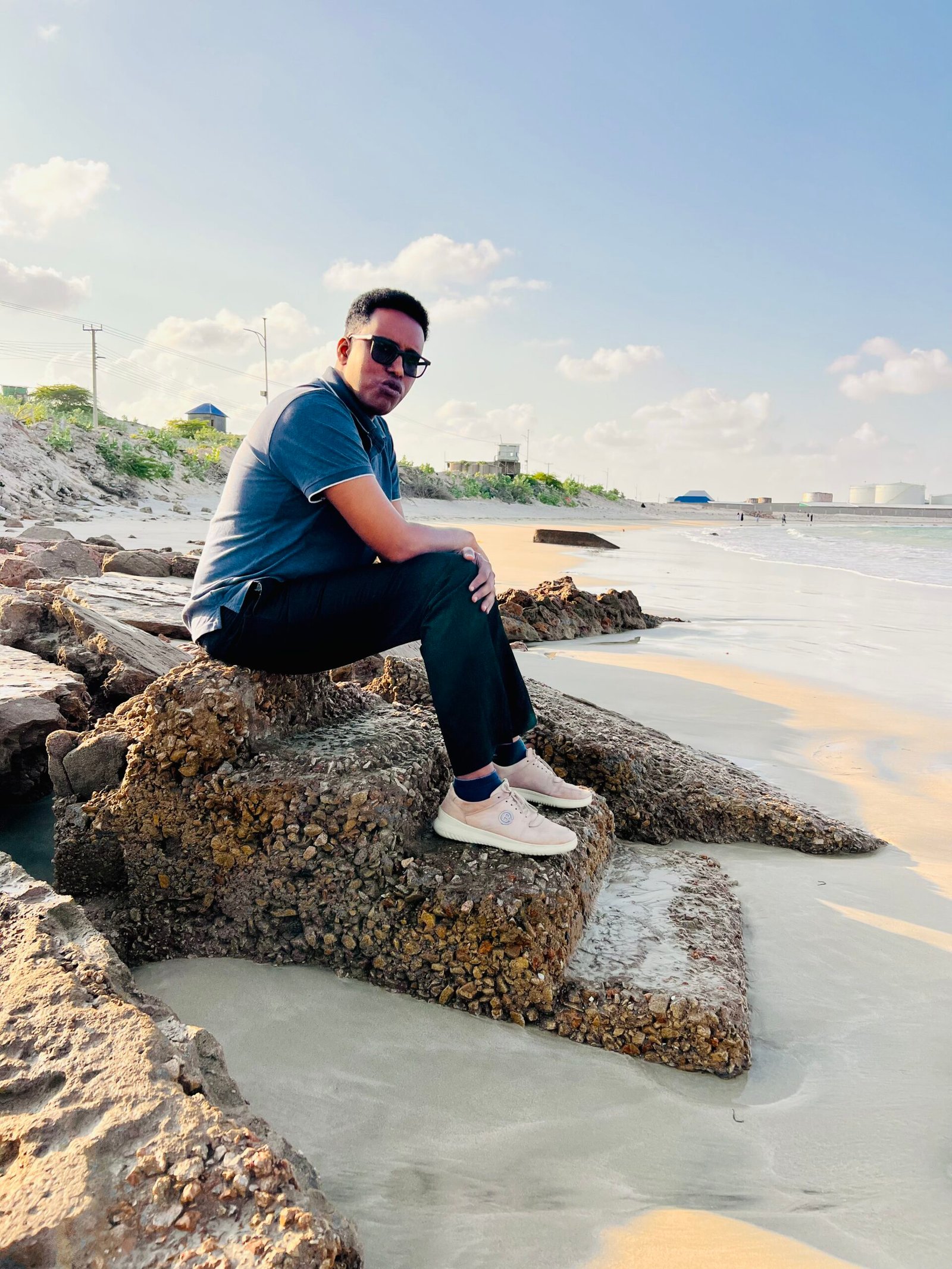
As I usually do whenever I visit Kismayo, I spent one afternoon at Liido Beach, taking a long walk with Yahye Abdi, who generously showed us around the city and ensured that we visited places of interest. The beach was clean. Although no one was swimming, many young people were playing football along the shore. Others had come for a photoshoot.
In the evenings, Yahye, Yusuf, and I regularly visited Nashaad Restaurant, one of the city’s newest restaurants, which is located near the beach. Unlike many other restaurants in the city, Nashaad had a menu, although the waiters sometimes struggled to use it because menus are still uncommon in Kismayo. Nevertheless, the food was delicious, even though the restaurant did not serve traditional Somali dishes such as cambuulo, which has increasingly become a popular dinner choice across Somalia.
Before leaving Kismayo, I visited the area where many xalwo shops are located. I bought Halwo Kismayo and Halwo Baazanda—two of the most famous xalwo brands in Kismayo—to take home for my family in Mogadishu. One kilogram cost US$4.50, which is slightly more expensive than in Mogadishu.
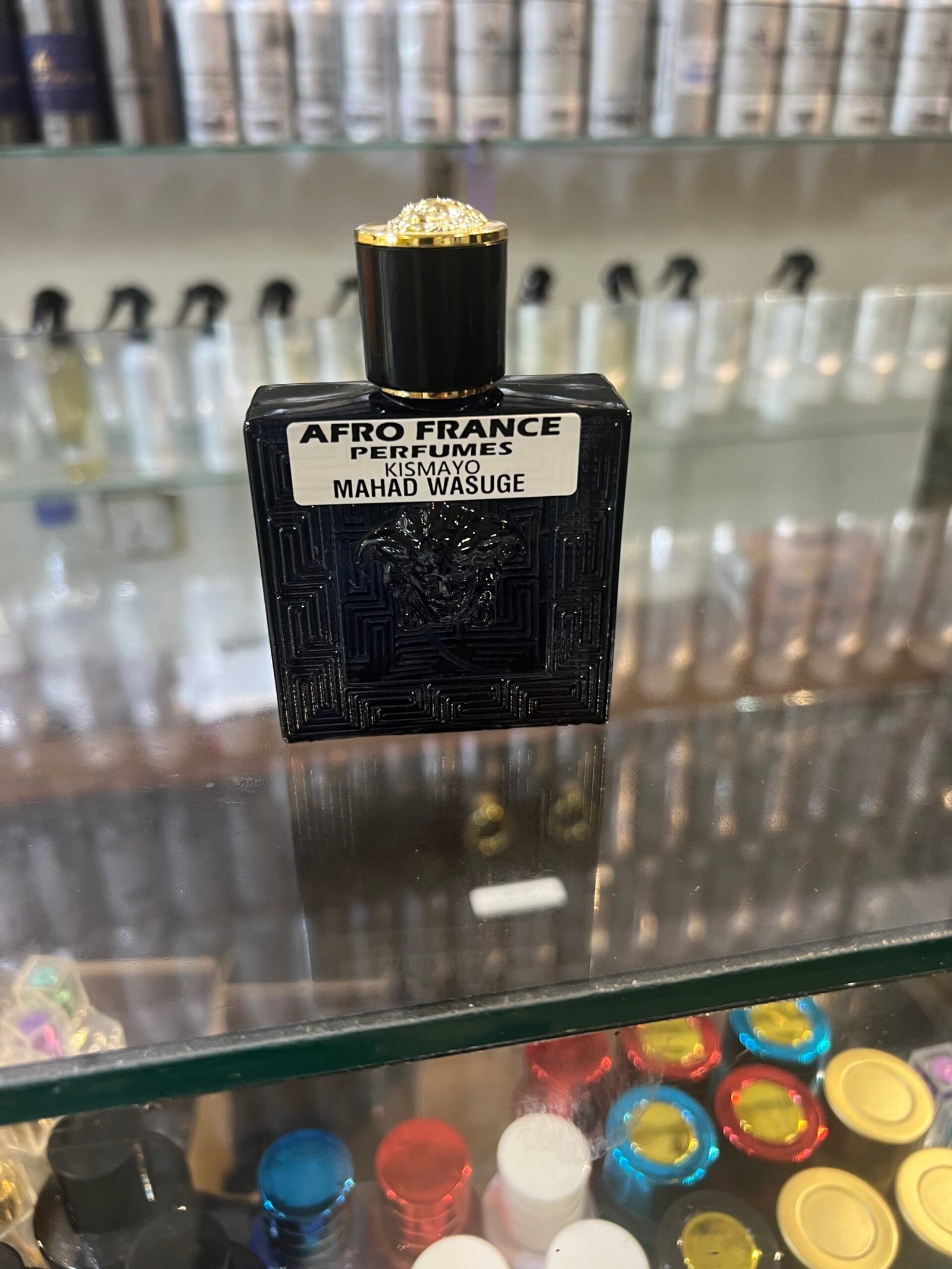
I also took a present with me before leaving Kismayo. My friend Faysal Hefow was not in town during my visit. When he learned that I was in Kismayo, he called me and asked me to visit Afro France Perfumes, the business he had recently opened in the city. Afro France Perfumes specializes in customized perfumes and creams. Faysal spoke with the young man at the shop and asked him to prepare a customized perfume for me as a gift. The young man then asked whether I would like to add another fragrance, and I agreed and selected one more. He carefully mixed the fragrances, packaged the perfume, and asked for my name. I left Afro France Perfumes with a customized perfume bearing my name, Mahad Wasuge.
I thoroughly enjoyed the brief stay, the meaningful engagements, and the rich intellectual discussions in Kismayo. With tensions between the Federal Government and Jubaland relatively subdued, access to the city was easier, and the atmosphere felt welcoming.
Goodbye, Kismayo—until next time.
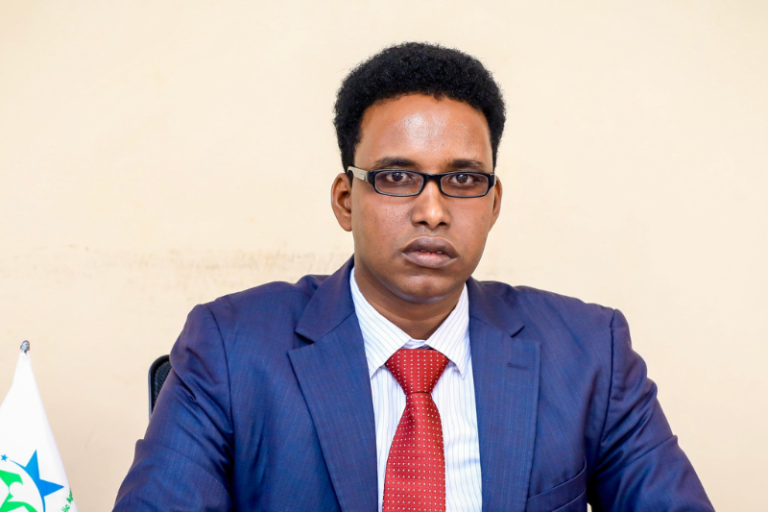
Is a researcher, teacher, podcaster and blogger. His work over the last decade has focused on teaching and researching governance, justice and social services in Somalia.