
I studied for a Bachelor’s degree in Public Administration and a Diploma in Law at Mogadishu University between September 2009 and July 2013. I also taught at the university for several years: one year in 2014 and another five years between 2018 and 2022. However, throughout these periods, I never had the opportunity to visit the university’s main campus, the institution that shaped my life and became an important part of my story.
The main reason was that the university was not operating from its main campus when I joined as a student in 2009. My cohort started and completed its studies in a rented building near Mogadishu Airport. When I later became a lecturer, the university was still operating from rented buildings and its own facilities in relatively safer locations across Mogadishu.
Years later, the university’s main campus reopened as the security situation improved. Visiting the campus had been on my list for years, and that plan finally became a reality on 24 October 2026. I am grateful to Abdiweli Sheikh Mohamed, the Vice President for Planning and Quality Assurance, and Shafici Moalin Ibrahim for organising a daylong visit to the main campus.
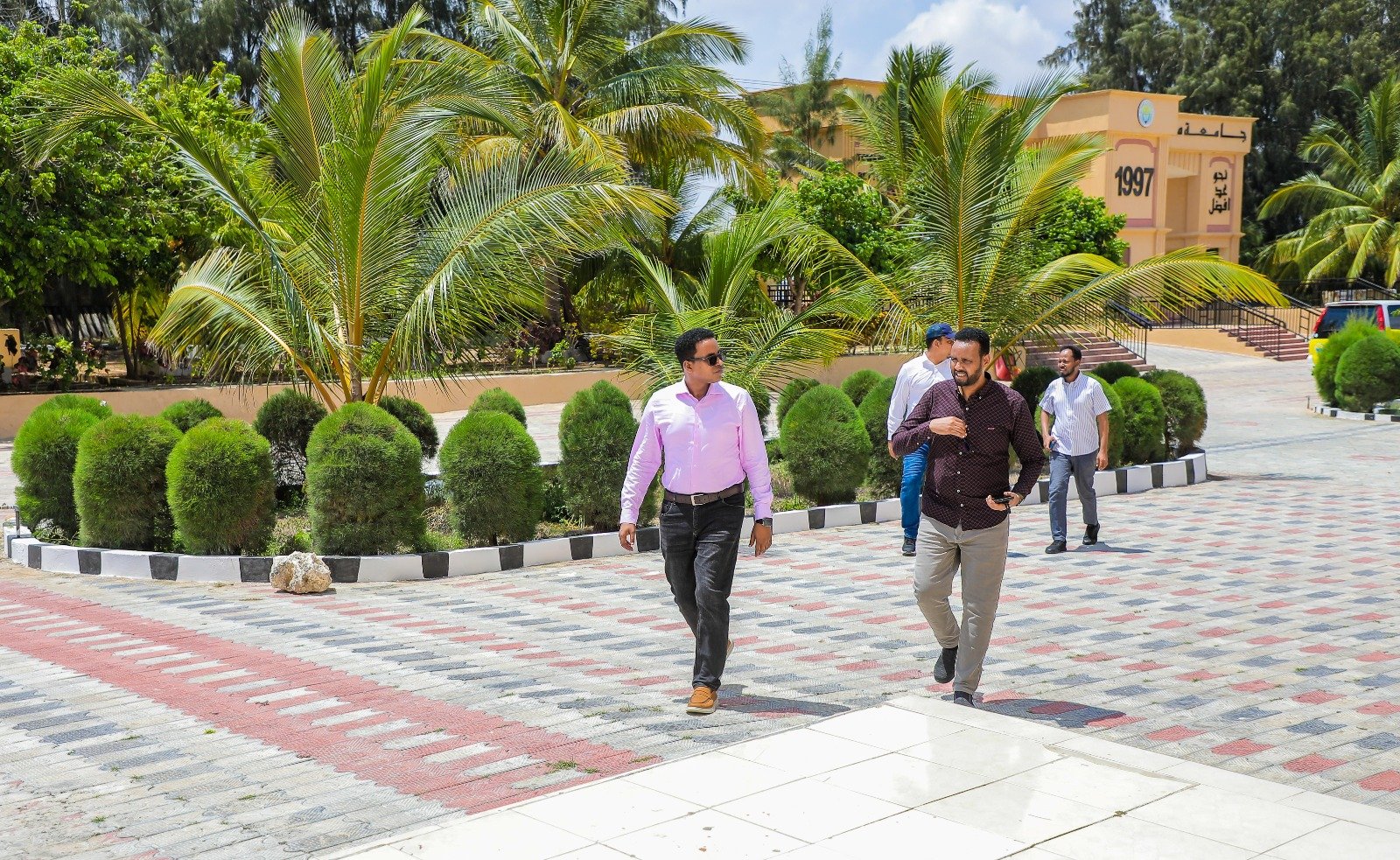
We met at the university’s administrative compound near KM4 on a Saturday morning, picked up takeaway coffee from a nearby coffee shop and then headed to the campus. Located near Darusalaam Village, the campus was a destination I had long wanted to visit. Along the way, Abdiweli and Shafici, both of whom know Mogadishu better than I do, pointed out and explained some of the places we passed. Improvements in Mogadishu’s road infrastructure over the past several years have also made the journey to the main campus considerably shorter.
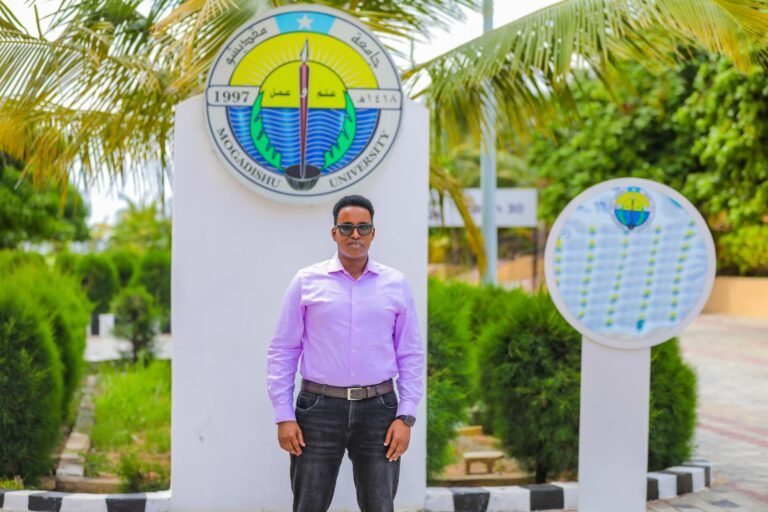
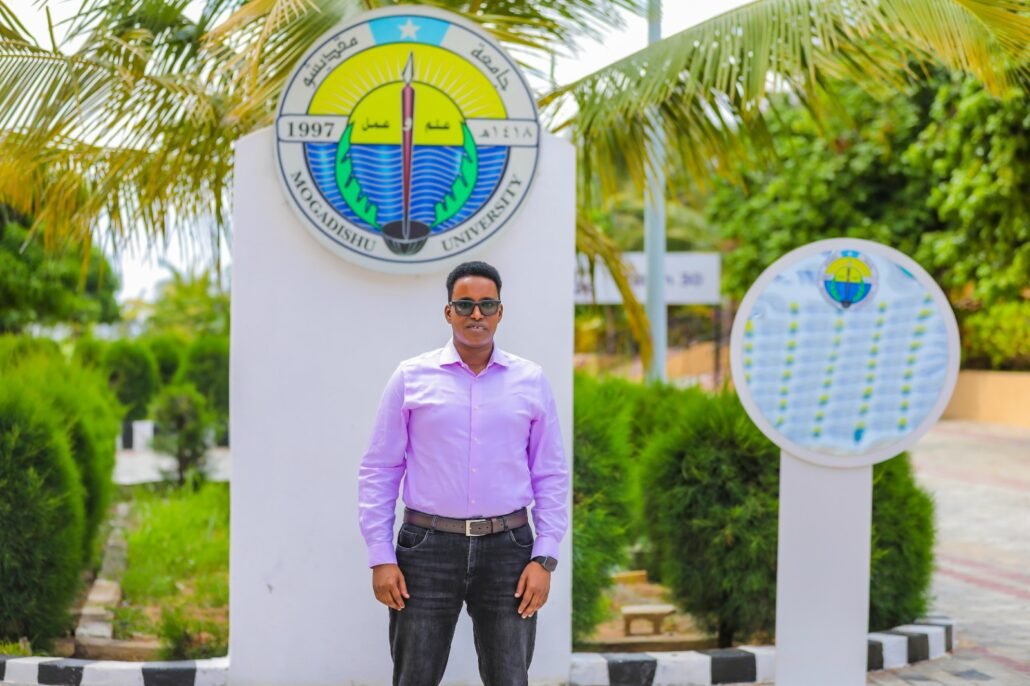
When we arrived, I was impressed by the facilities. The Campus Manager, Amin Abubakar, and Media Officer, Abdullahi Yusuf, who documented our visit through photographs, welcomed us. At the entrance stands a large arch bearing the Mogadishu University name, its tagline, Towards a Better Future, and the year 1997, when the university was established.
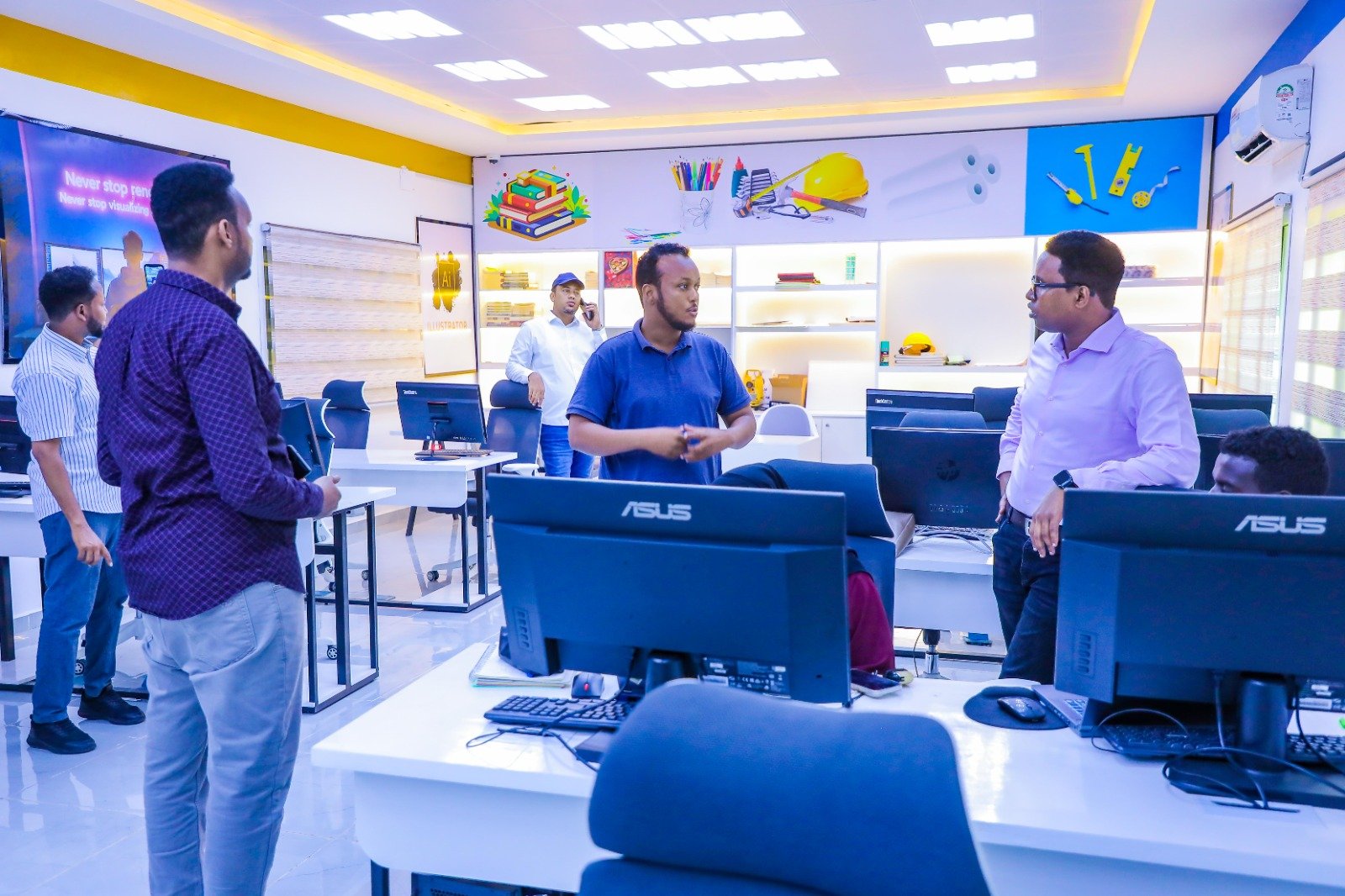
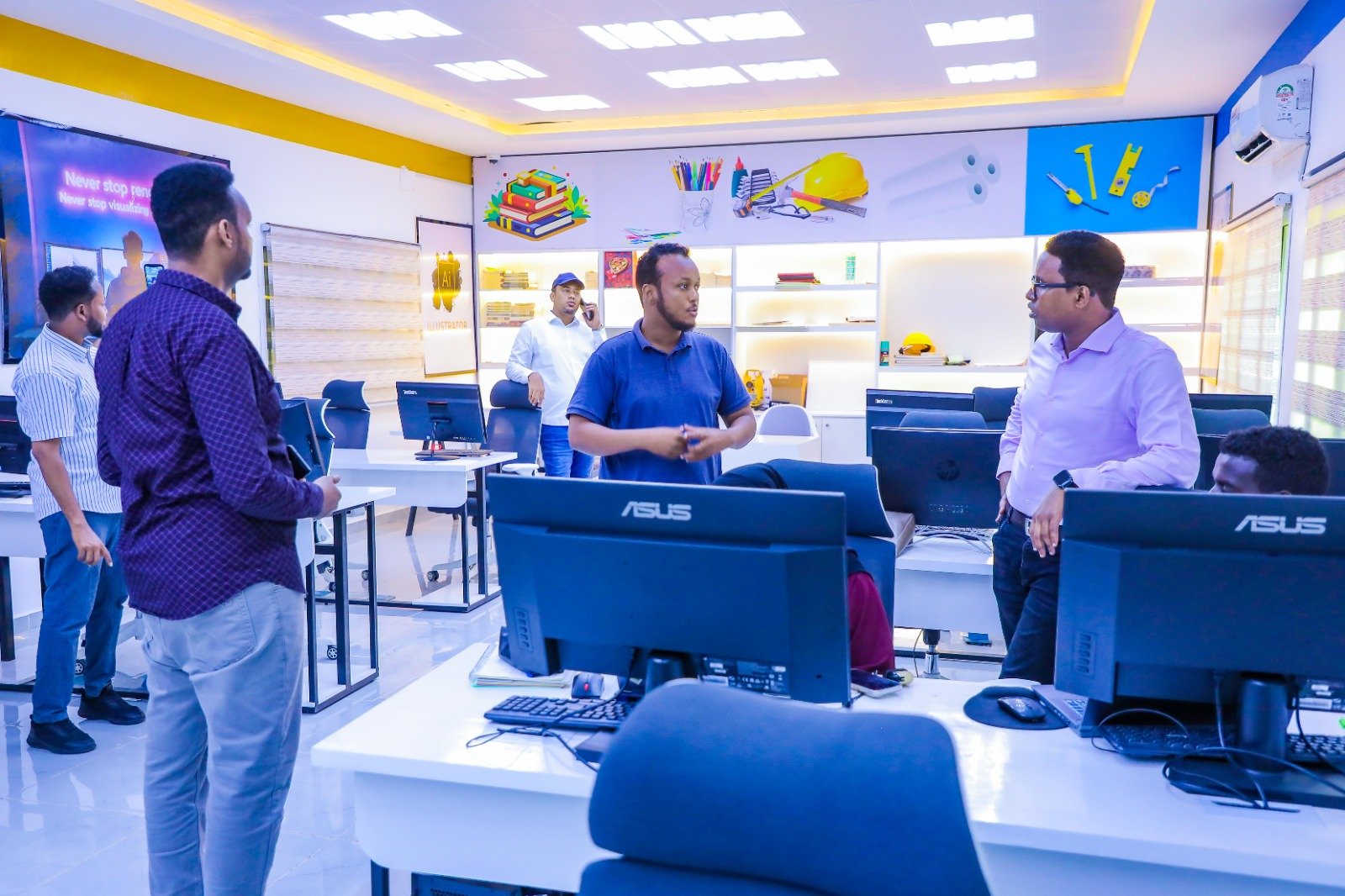
We began our tour at the Faculty of Computer Science and Information Technology. There, we viewed projects developed by students as part of their assignments. After a brief introduction by the faculty’s dean, we visited a computer lab. I had an opportunity to speak briefly with the students and encouraged them to study hard, make good use of their time and take full advantage of the facilities available at the university.
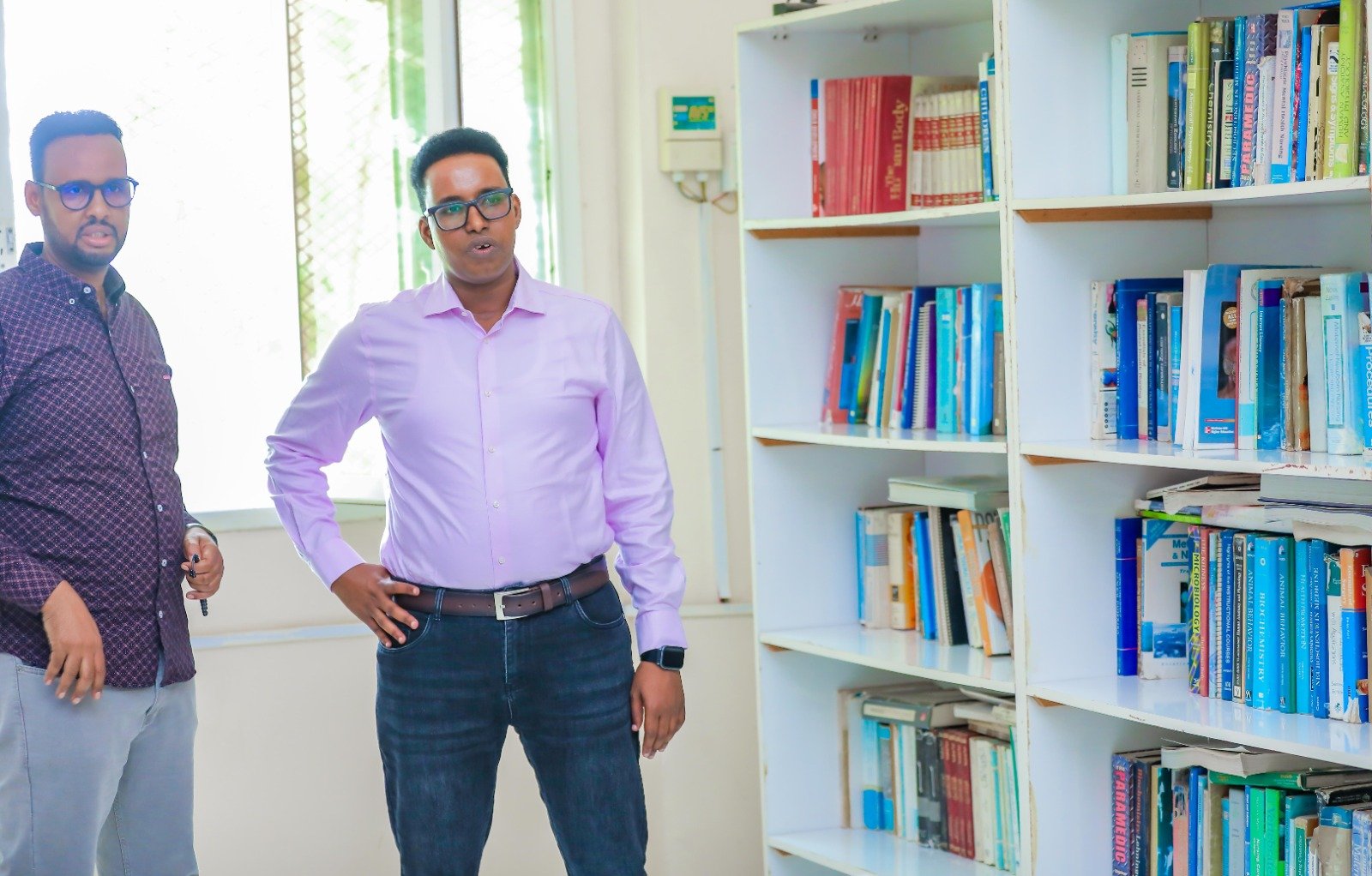
We also toured the main library, where students were reading books and engaging in group discussions. This was a facility that had not been available to me when I was a student at the university. The university also has other libraries across its different campuses.
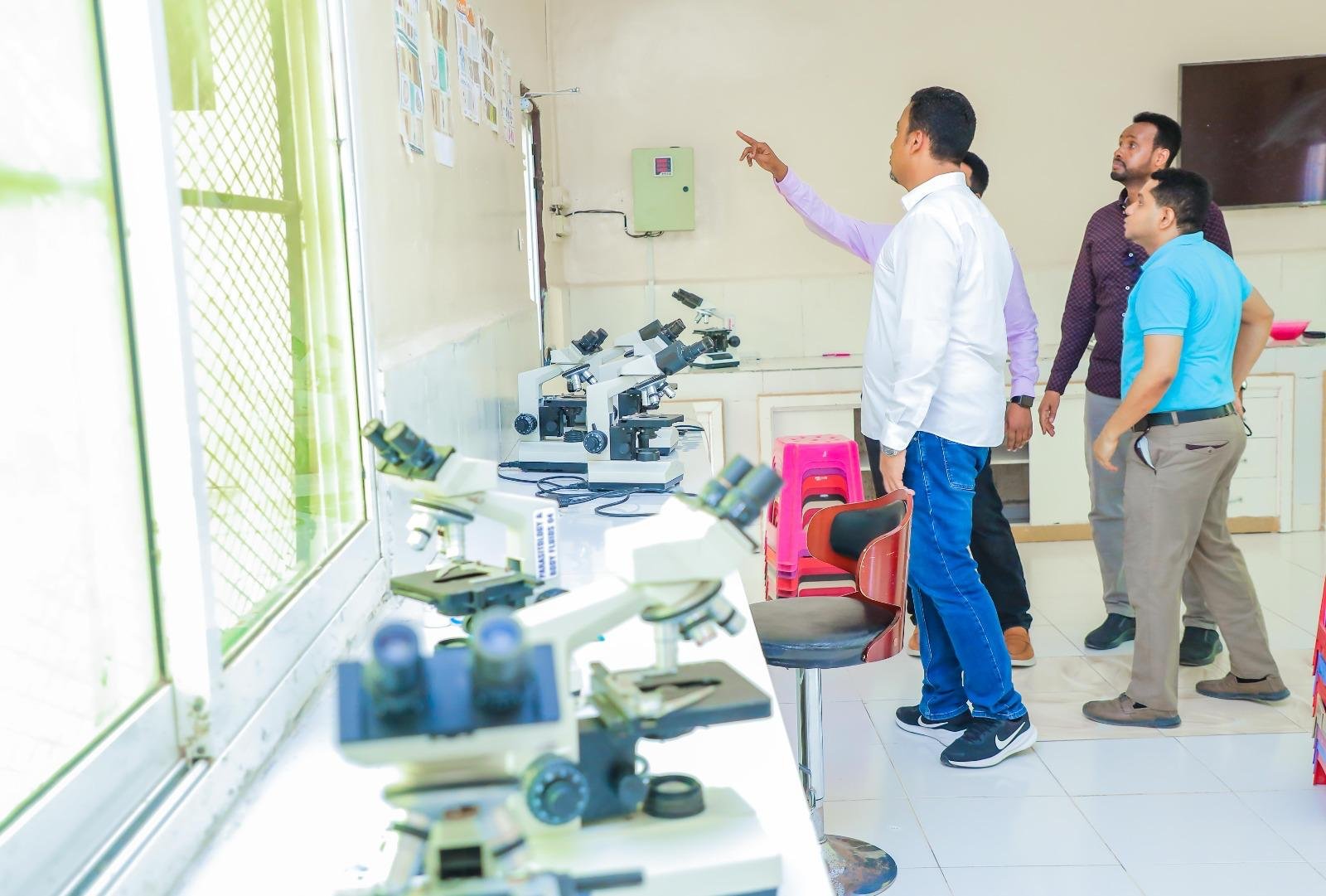
Our next stop was the Faculty of Health Sciences building, where I had the opportunity to see the laboratory facilities used by students for practical work and tests. A poster displaying the four malaria parasites immediately brought back memories of my secondary school biology lessons, when I memorised the names Plasmodium falciparum (PF), Plasmodium ovale (PO), Plasmodium malariae (PM) and Plasmodium vivax (PV). The faculty’s dean, Walid Abdulkadir, explained the geographical distribution of malaria in Somalia and the types of malaria found in different parts of the country.
We then visited the Faculty of Engineering, which has three departments: Civil Engineering, Architecture and Electrical Engineering. The faculty’s dean, Eng. Abdirahman Ismail, showed us the facilities. I also had a brief exchange with students in one of the classrooms. We subsequently visited the Architecture Studio Lab, where students told us they were working on redesigning the architecture of newly cleared plots of land in the Hamad Jadid neighbourhood. I asked about their engagement and potential collaboration with Mogadishu Municipality, as the municipality could benefit from the knowledge, skills and insights these students develop through their work in the Architecture Studio Lab.
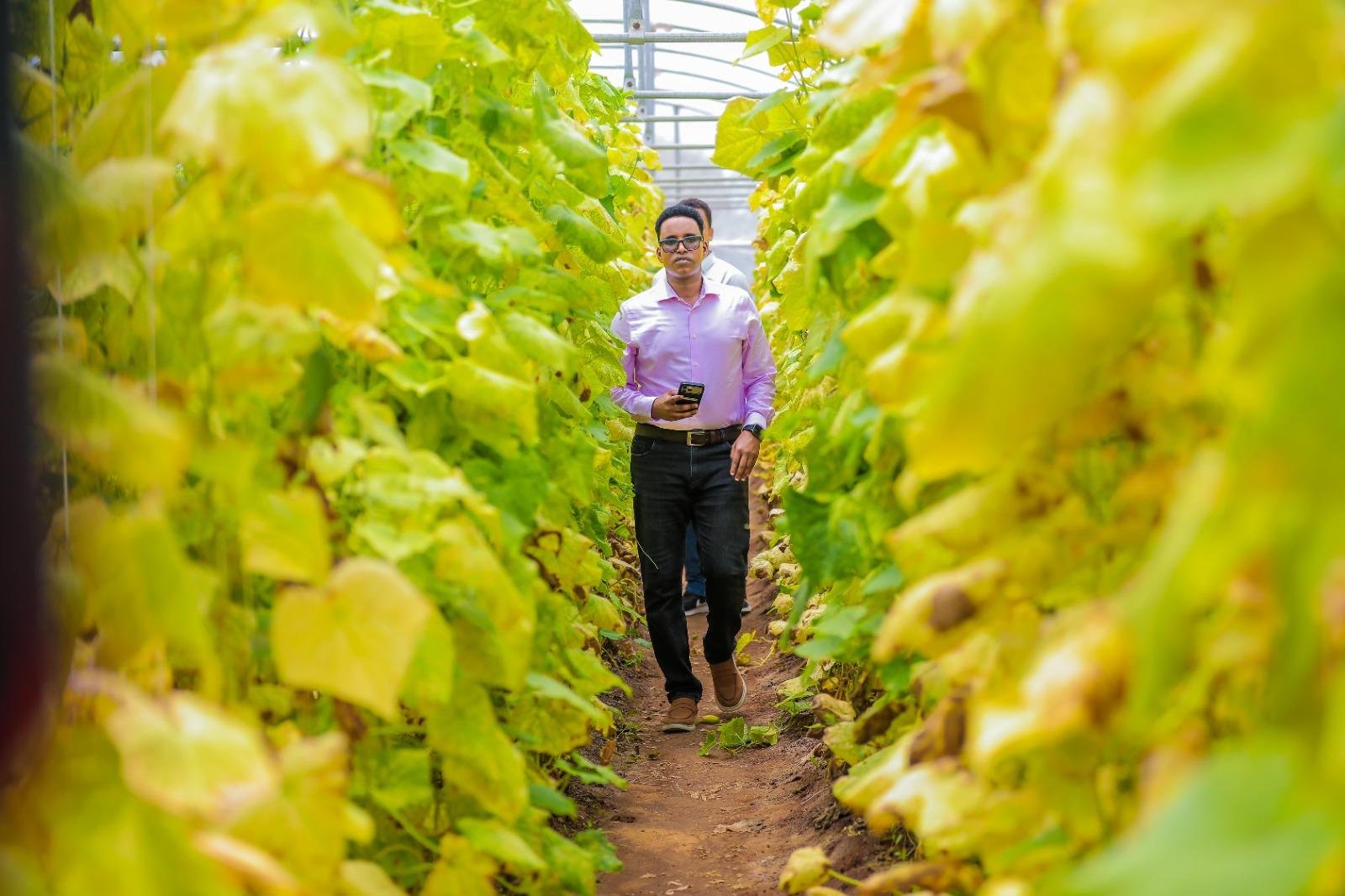
Another interesting stop was the greenhouse facility and experimental farm used by students at the Faculty of Agriculture and Environmental Science. Staff members tending to the crops explained that they had planted and grown several types of crops. In one of the two greenhouses, cucumbers were already ripe and ready for consumption.
We also visited the Mother and Child Health (MCH) centre, which provides maternal and child healthcare services to residents of the surrounding neighbourhood.
Our tour concluded at the online learning studio, where lecturers record lectures for six bachelor’s degree programmes. This facility allows students to pursue their studies without necessarily attending classes physically on campus.
We later gathered at the meeting hall, where we had an opportunity to chat and reflect with the Vice President for Academic Affairs, Dr. Ali Dahir. He recalled approving my appointment as a lecturer at the university in 2014 and shared some of the discussions that took place before the decision was made. It was a particularly memorable moment, as it brought back memories of another important chapter in my relationship with the university.
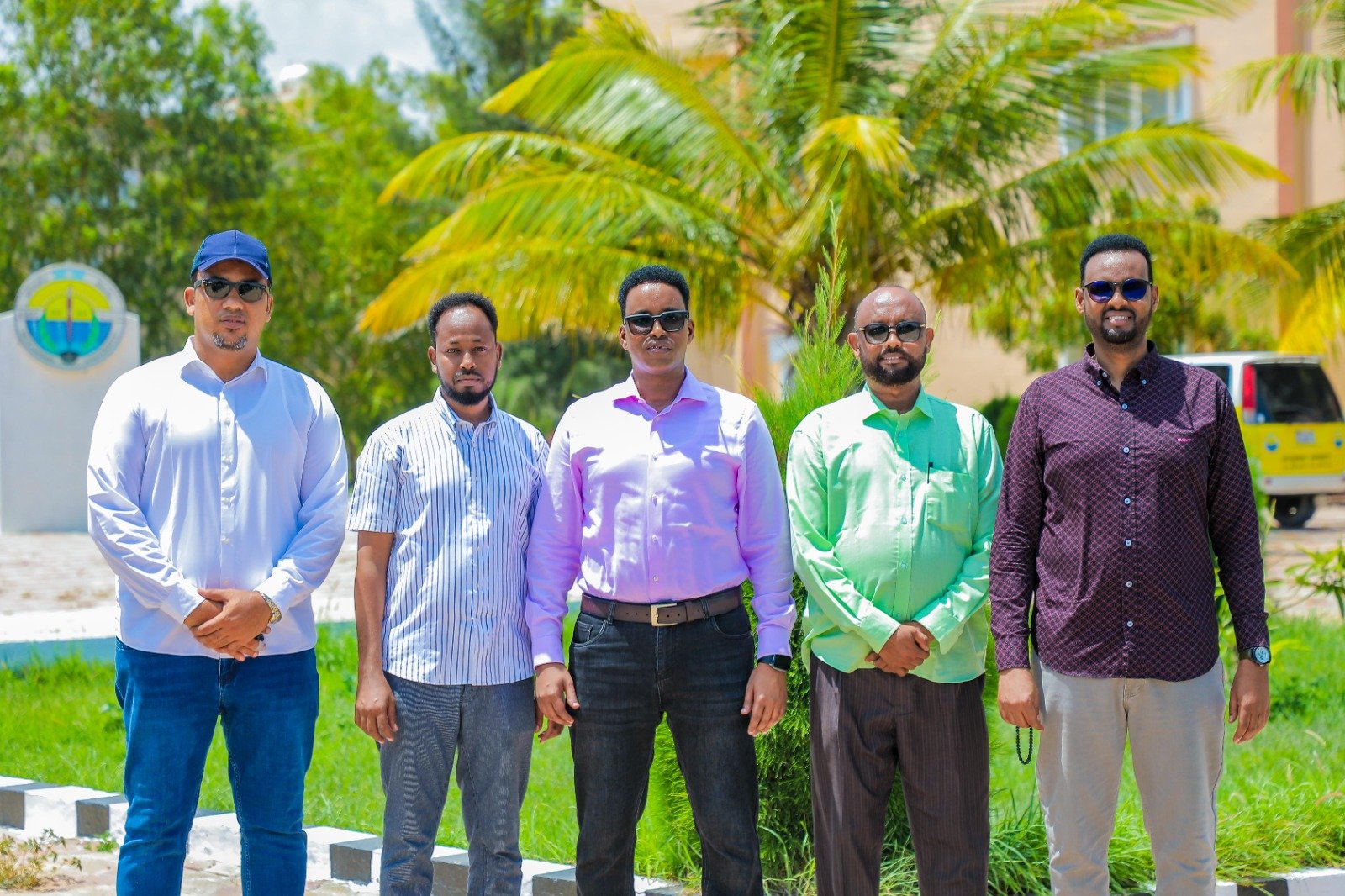
It was a day full of experiences and reflections. I was particularly pleased to see students studying in an environment where they have access to a well-resourced library and facilities that were not available when I was a student. The university has also invested in greenery and trees across the campus. I enjoyed seeing the green surroundings, which create a pleasant and conducive learning environment.
I am grateful to the university management for their time and for organising my visit to an institution that shaped an important stage of my life. I also extend my appreciation to the management team and faculty deans who shared insights and helped me understand the facilities and opportunities their respective faculties offer students.
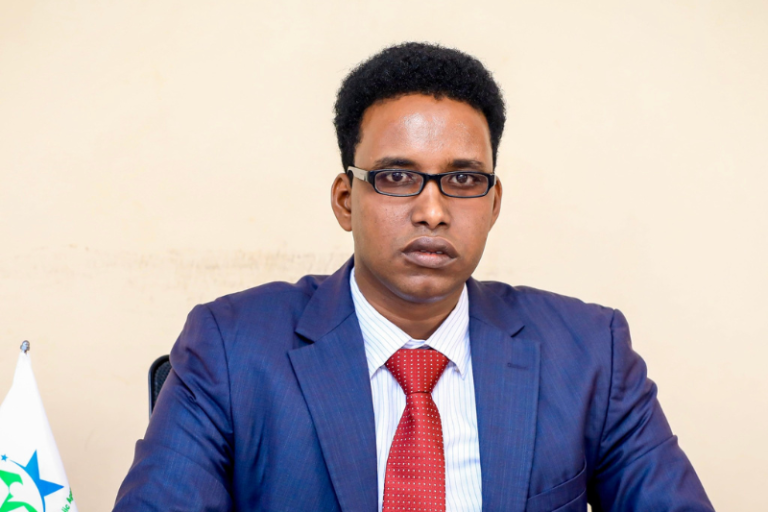
Is a researcher, teacher, podcaster and blogger. His work over the last decade has focused on teaching and researching governance, justice and social services in Somalia.